
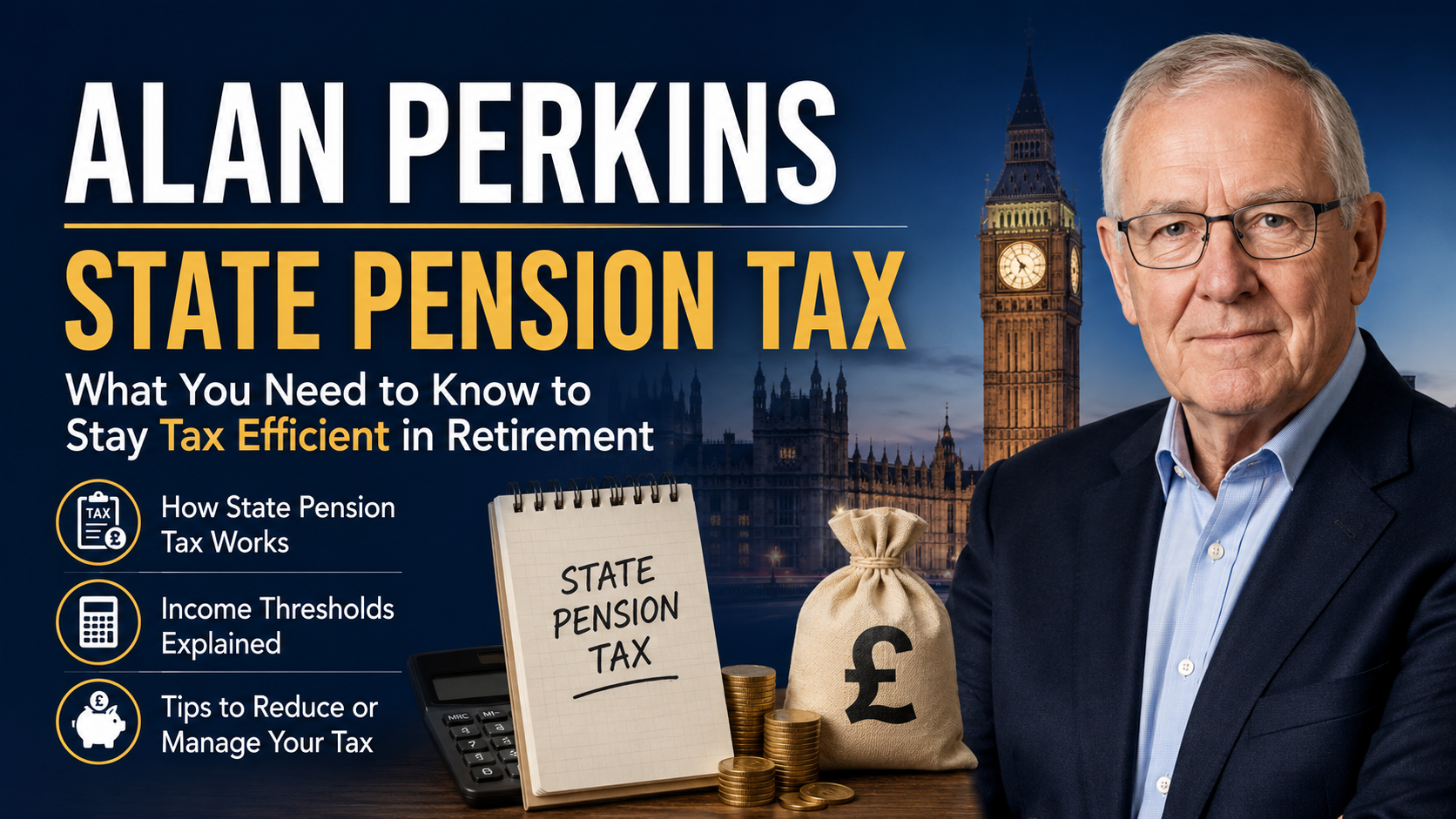
The Alan Perkins State Pension Tax is a crucial consideration for retirees and those approaching retirement age in the United Kingdom. Understanding the rules, rates, and benefits associated with this tax can significantly impact financial planning, retirement strategies, and overall well-being in retirement. This comprehensive guide delves into every aspect of the Alan Perkins State Pension Tax, providing clarity on eligibility, taxation, strategies to optimize benefits, and common pitfalls to avoid.
Understanding the Alan Perkins State Pension Tax
The Alan Perkins State Pension Tax refers to the tax implications applied to the state pension as part of an individual’s total taxable income. In the UK, the state pension is considered taxable income; however, tax is only paid if the total income exceeds the personal allowance threshold. This means that retirees who have additional sources of income—such as private pensions, savings interest, or rental income—may find their state pension subject to higher taxation levels. Understanding how this tax operates is critical for anyone planning retirement, as it influences net pension income and, consequently, lifestyle choices.
The name “Alan Perkins” in this context is often associated with tax advisory guidance tailored toward pensioners, focusing on legal and strategic tax planning for state pensions. The guidance aims to help retirees maximize their pension income while staying compliant with HMRC regulations.
Eligibility Criteria for the State Pension
Before delving into taxation, it’s essential to understand who qualifies for the state pension. Eligibility is primarily determined by age and National Insurance contributions. As of the current rules, men and women reach state pension age at 66, with gradual increases scheduled in the coming years. To receive the full state pension, individuals typically need 35 qualifying years of National Insurance contributions.
Partial pensions are available for those with fewer qualifying years, with minimum contributions required to receive any payment. Understanding eligibility is vital because it directly impacts the taxable amount. Individuals receiving a full pension may face higher tax liabilities if their combined income surpasses thresholds.
How Alan Perkins State Pension Tax Is Calculated
The calculation of the Alan Perkins State Pension Tax is based on the individual’s total taxable income. The state pension is added to other income sources, and the total is compared to the current personal allowance set by HMRC. For the 2025/2026 tax year, the standard personal allowance is £12,570. Income above this threshold is taxed at progressive rates: 20% for basic rate, 40% for higher rate, and 45% for additional rate taxpayers.
For example, if an individual receives a state pension of £9,000 annually and has additional income of £5,000 from investments, the total income of £14,000 exceeds the personal allowance. Only £1,430 would be subject to the basic tax rate of 20%, demonstrating how incremental taxation works. This calculation underscores the importance of comprehensive income planning in retirement.
Rates and Tax Bands for State Pension
The tax rates for the Alan Perkins State Pension Tax mirror the general UK income tax structure. Retirees fall into one of three main bands: basic, higher, or additional rate, depending on their total taxable income. These bands are subject to periodic adjustment by the government to account for inflation and policy changes.
- Basic Rate (20%): Applied to income above the personal allowance up to £50,270.
- Higher Rate (40%): Applied to income from £50,271 to £125,140.
- Additional Rate (45%): Applied to income above £125,140.
Understanding these rates allows retirees to forecast potential tax liabilities and adjust financial strategies accordingly. For instance, individuals with multiple income streams may consider deferring certain withdrawals or investing in tax-efficient vehicles to optimize net income.
Strategies to Minimize Alan Perkins State Pension Tax
Minimizing tax liabilities is a critical component of retirement planning. Several strategies can reduce the impact of Alan Perkins State Pension Tax:
- Deferring State Pension: Postponing the state pension can increase weekly payments upon commencement, potentially optimizing after-tax income.
- Tax-efficient Savings: Utilizing Individual Savings Accounts (ISAs) or pension drawdowns that are tax-free can reduce taxable income.
- Splitting Income Sources: Strategically timing withdrawals from other pensions or investments can keep total taxable income below higher tax bands.
- Charitable Donations: Donations can attract tax relief, effectively lowering taxable income.
A proactive approach to tax planning ensures retirees retain more of their pension income, allowing for greater financial security and peace of mind.
Benefits of the Alan Perkins State Pension Tax Guidance
The benefits associated with professional guidance on Alan Perkins State Pension Tax are significant. Advisory services help retirees understand complex tax rules, optimize pension income, and avoid penalties. Key benefits include:
- Clarity on Tax Obligations: Professionals help determine when and how much tax is due.
- Maximizing Pension Entitlements: Guidance ensures retirees receive all eligible payments without overpaying taxes.
- Long-term Planning: Strategic advice supports sustainable retirement income over decades.
In essence, structured tax guidance transforms the often-confusing pension landscape into a manageable, strategic process.
Common Pitfalls to Avoid
Many retirees encounter avoidable pitfalls related to Alan Perkins State Pension Tax. Some of the most common issues include:
- Underestimating Tax Liabilities: Failure to account for combined income sources can result in unexpected tax bills.
- Ignoring Deferral Opportunities: Delaying the state pension can be a powerful tool to enhance net income, but many overlook it.
- Overlooking Allowances: Personal and marriage allowances can reduce taxable income but are sometimes neglected.
Awareness of these pitfalls is critical to ensuring a financially secure retirement. Proactive planning and professional advice can mitigate these risks effectively.
Reporting and Compliance Requirements
Compliance with HMRC regulations is mandatory for all state pension recipients. Reporting requirements for the Alan Perkins State Pension Tax include annual self-assessment if income exceeds thresholds or if multiple income streams exist. Retirees must maintain accurate records of pension payments, investment returns, and other taxable sources.
Failing to comply can result in penalties, interest on unpaid taxes, and legal complications. Utilizing digital tools, online HMRC accounts, and professional accountants simplifies reporting and ensures compliance.
Planning for Future Tax Changes
Tax legislation is subject to periodic changes, which can affect state pension taxation. Staying informed about future tax changes ensures retirees can adjust financial strategies proactively. Key considerations include potential increases in personal allowance, adjustments to tax bands, and modifications to pension taxation rules.
Monitoring government announcements, consulting financial advisors, and reviewing pension strategies annually are critical practices. By anticipating changes, retirees can avoid surprises and maintain optimal financial planning.
Conclusion: Maximizing Your State Pension Benefits
The Alan Perkins State Pension Tax represents both a challenge and an opportunity for retirees. By understanding eligibility, taxation rules, rates, and available strategies, individuals can maximize their pension income and secure long-term financial stability. Proactive planning, professional guidance, and awareness of potential pitfalls are essential to navigating the complex pension landscape successfully.
In summary, comprehensive knowledge of the Alan Perkins State Pension Tax allows retirees to:
- Optimize net income and tax liabilities.
- Plan strategically for retirement sustainability.
- Avoid common pitfalls and compliance issues.
- Take full advantage of available allowances, deferrals, and tax-efficient options.
Proper planning ensures that the state pension remains a reliable foundation for retirement, providing financial security and peace of mind for years to come.